



Understanding the psychology behind gambling behavior and its impact on decision making
The Nature of Gambling Behavior
Gambling behavior is influenced by a complex interplay of psychological factors that shape decision-making processes. This behavior often stems from intrinsic motivations such as thrill-seeking, the desire for social interaction, or the pursuit of financial gain. Understanding these motivations is essential in comprehending why individuals engage in gambling activities, often despite the inherent risks involved. For instance, you can find exciting offers at sugar96-casino.org that attract many players.

Moreover, gambling is often viewed through the lens of cognitive biases, where individuals may overestimate their chances of winning due to a phenomenon known as the “illusion of control.” This cognitive distortion can lead to risky decision-making, as individuals believe they can influence random outcomes through their actions, further entrenching them in gambling behavior.
Psychological Triggers and Their Impact
Various psychological triggers can heighten the appeal of gambling. For instance, the environment of a casino, designed to stimulate excitement and engagement, can lead to impulsive decisions. Bright lights, sounds, and the presence of other players can create a sense of urgency that clouds judgment, leading individuals to bet more than they initially intended. This aspect highlights the historical evolution of gambling, illustrating how it has become intertwined with human psychology.
Emotional states also play a crucial role in decision-making during gambling. Individuals may gamble to escape from stress or negative emotions, which can lead to compulsive behavior. Understanding these emotional triggers is critical for developing strategies to promote healthier gambling habits and support those at risk of developing gambling-related issues.
The Role of Rewards and Reinforcement
The psychology of rewards is another significant factor in gambling behavior. The intermittent reinforcement schedule common in gambling—where wins are unpredictable—can reinforce the desire to continue playing. This pattern creates a cycle where the anticipation of a win can be just as rewarding as the win itself, leading to continued engagement in gambling activities.
Additionally, the impact of near misses can be profound. Players often feel motivated to gamble again after narrowly missing a win, fostering a false sense of achievement. This psychological aspect complicates decision-making by blurring the line between winning and losing, encouraging individuals to chase losses and engage in further gambling.
The Social and Cultural Influences
Gambling behavior is not solely a personal choice; it is also influenced by social and cultural contexts. Social norms and peer influences can significantly impact individual decisions to gamble. In cultures where gambling is normalized and accepted, individuals may feel more inclined to participate, viewing it as a typical leisure activity.
Conversely, stigma surrounding gambling can lead to secrecy and shame, which may exacerbate problematic behavior. Understanding the societal implications and cultural narratives surrounding gambling is crucial for addressing its psychological impact and promoting responsible gambling practices.
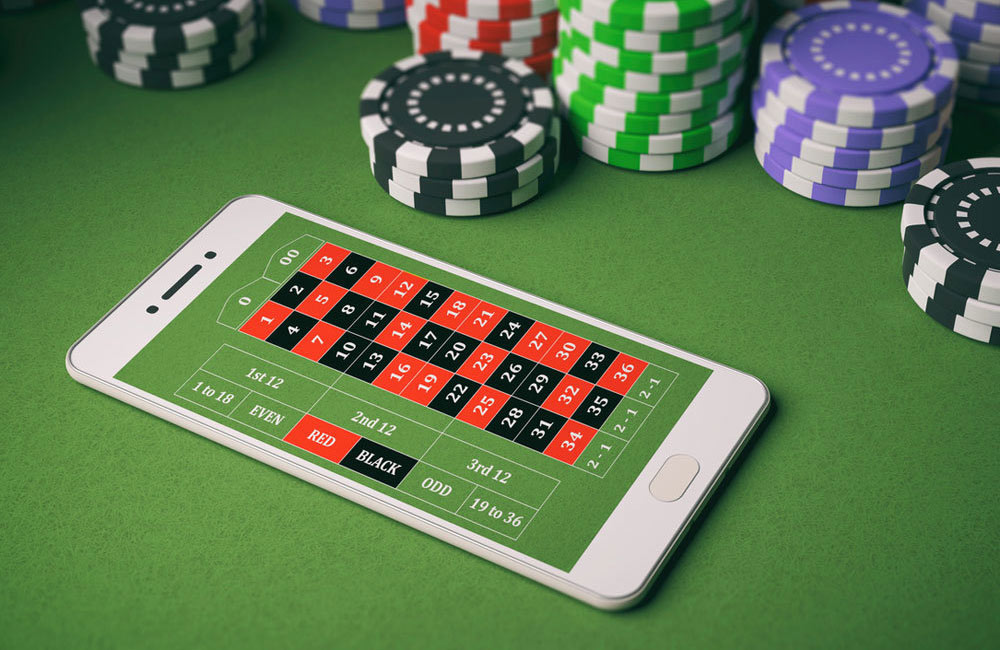
Experience gaming at Sugar96 Casino Australia
At Sugar96 Casino Australia, we recognize the psychological intricacies of gambling behavior and its impact on decision-making. Our platform is designed to provide an engaging and responsible gaming environment where players can enjoy a vast selection of games while being mindful of their choices. With enticing bonuses and user-friendly navigation, we strive to enhance your gaming experience.
We prioritize player safety and responsible gambling, offering resources and support to help individuals make informed decisions. Join us at Sugar96 Casino Australia and explore a world of exciting gaming opportunities, all while keeping your well-being in mind.
